MC024-0.1 Building Physics: Why It Is Important, What You Will Learn, and Course Objectives
The Four Jobs Every Façade Must Balance — and the Complete Roadmap for This Course
About This CPD
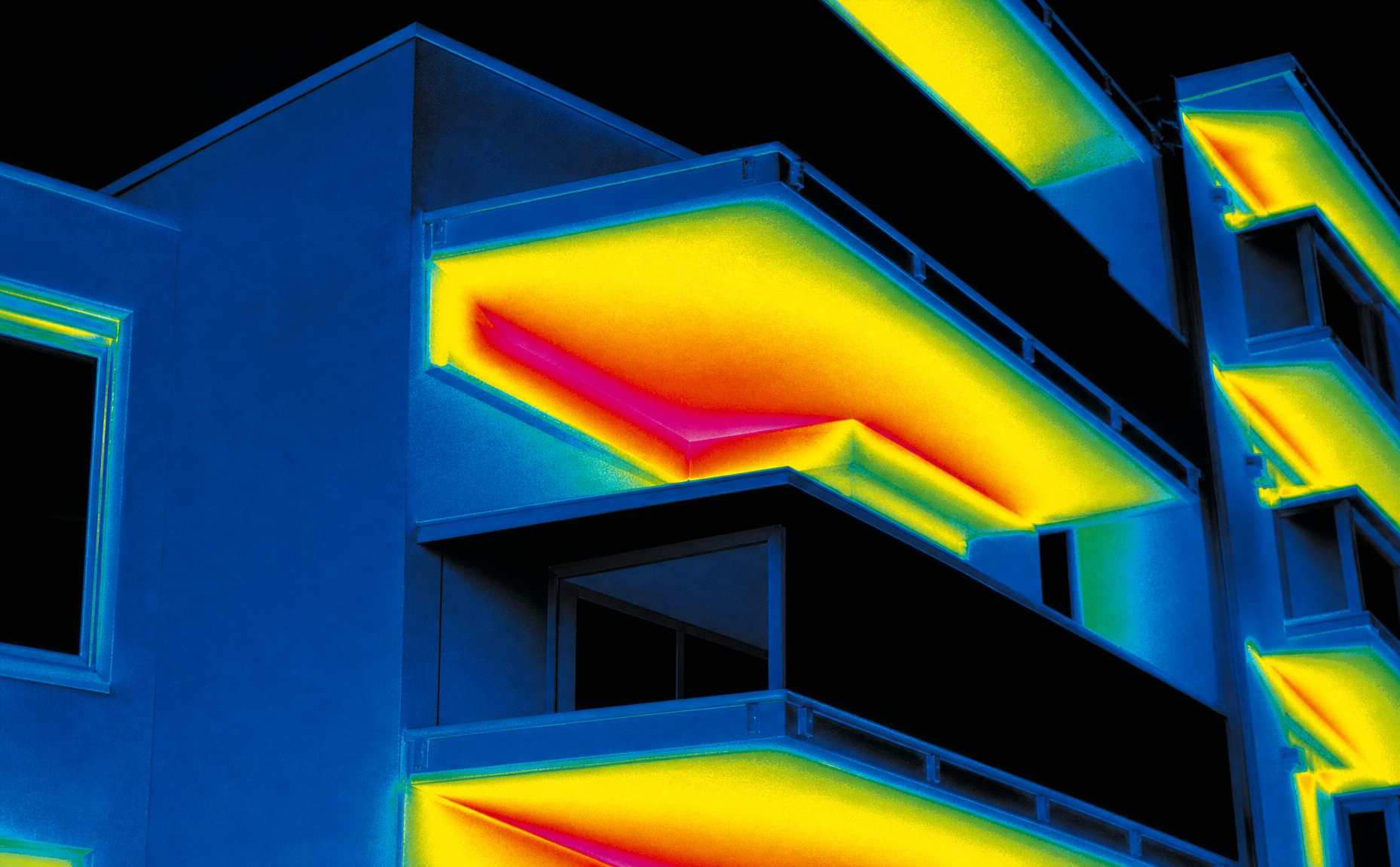
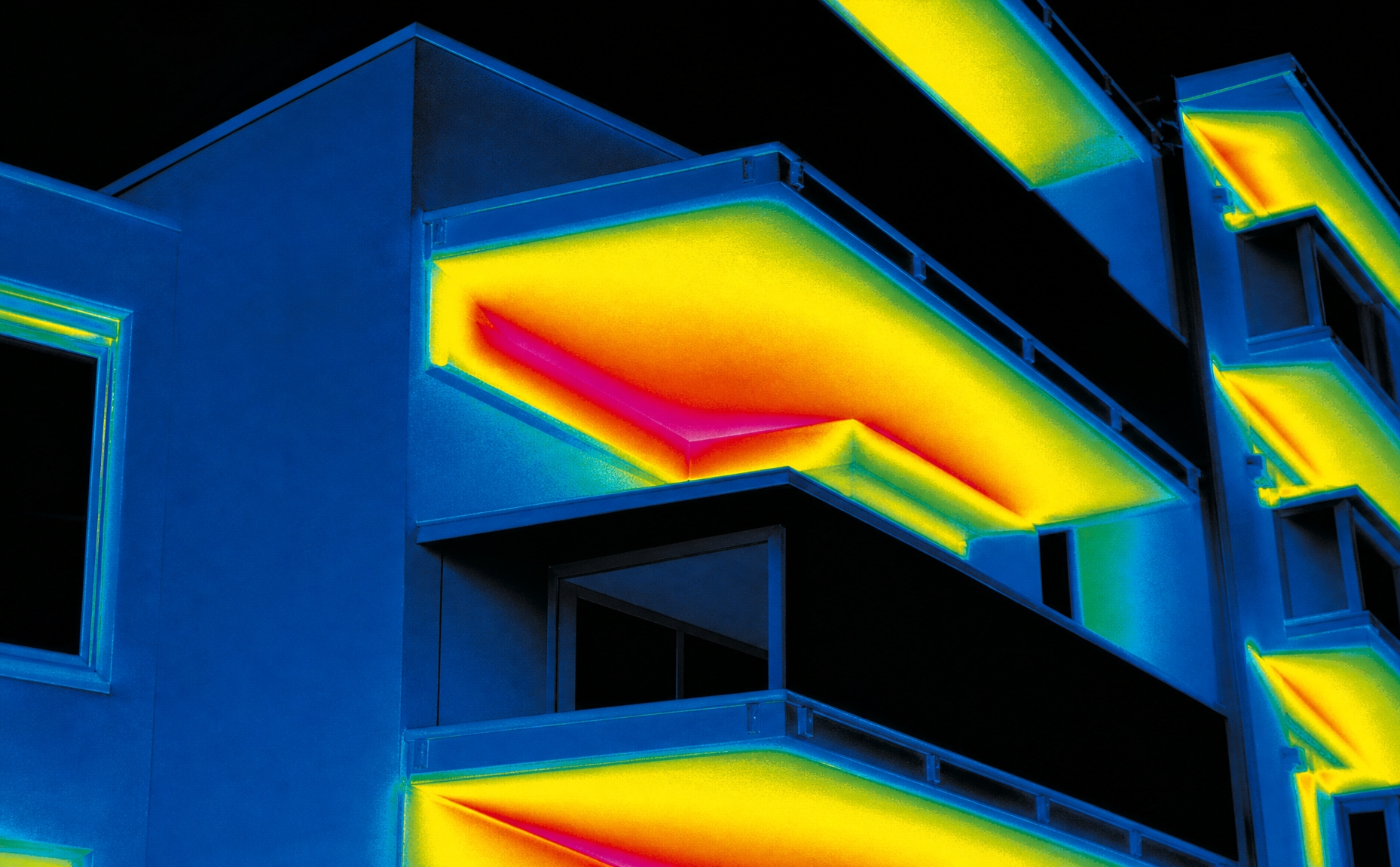
Join us for the opening session of our façade technical CPD series. This session opens with a building that looks like everything went right: all glass, clean lines, clearly expensive. Step inside on a winter morning, though, and there's a cold draught, a dark line of mould creeping along a window reveal, and by summer the same room is overheating — with an energy bill nobody can quite explain.
Presented by Eugene Korch (IAST), this course names the four jobs every façade has to do at once, shows why they conflict, and lays out the complete map of the course series that follows.
This course covers:
The façade problem, and what building physics is — a real building that looks right and performs wrong, why a façade is a border between two sides, and the four jobs that map this entire course
Why this matters — the financial case under tightening energy codes across Europe, the USA, and Australia; the health, durability, and comfort case; and why a façade problem is cheapest to fix on paper
What a façade actually has to balance — heat and moisture linked at a cold spot; daylight versus solar heat gain; airtightness versus deliberate ventilation; and why the balance has to be measured, not judged by eye
The course map — the complete structure of the series, module by module, from groundwork through to calculations, reporting, and carbon footprint
This is the starting point for the full course series — a clear, grounded introduction with no prior knowledge assumed, so you know exactly where every later topic fits before you begin.
What You'll Learn
Explain what building physics means when applied to a façade, and why this course focuses on that slice of a much larger field
Name and describe the four jobs a façade must perform at once — managing heat, moisture, air, and light and solar heat gain — and recognise them as the map for the whole course
Explain why these four jobs conflict with one another, and why solving one carelessly can make another worse
Describe the practical stakes of getting façade physics wrong: energy cost, occupant health, building durability, and everyday comfort
Explain why a façade problem is cheapest to fix at the design stage and can become impossible to fix once a building is built
Explain the physical link between heat loss and moisture risk at a cold spot such as a metal fixing
State the basic rule for where a vapour control layer belongs, and why that rule reverses between a cold climate and a hot, humid one
Explain why the balance between a façade's four jobs must be measured and proven, not judged by eye
Describe the complete structure of this course, module by module, from groundwork through to calculations, reporting, and carbon footprint
Identify where in the course structure a specific topic — heat loss, condensation, materials, climate data, reporting, or carbon — will be covered in detail
Who Should Attend
Anyone new to façade building physics, Architects, Architectural Technologists, Junior Façade Engineers, Envelope Designers, Façade Specialist Contractors, Building Envelope Consultants, Project Managers, and Design Managers.
This session is designed as the entry point for the full course series, and assumes no prior technical knowledge of building physics.
Speakers
Eugene Korch
Programme Director, IASTEugene is a façade engineer and educator who leads educational initiatives through the Institute for Architectural Science and Technology (IAST) and Facade Intelligence, delivering training to construction professionals.
Course Schedule
Format: Online
CPD Points: 1 hour structured CPD / 1 Learning Unit
Certificate: CPD certificate provided upon completion
MC024-0.1
Building Physics: Why It Is Important, What You Will Learn, and Course Objectives
The Four Jobs Every Façade Must Balance — and the Complete Roadmap for This Course
Course Fee £120
Free for FI Pro Members